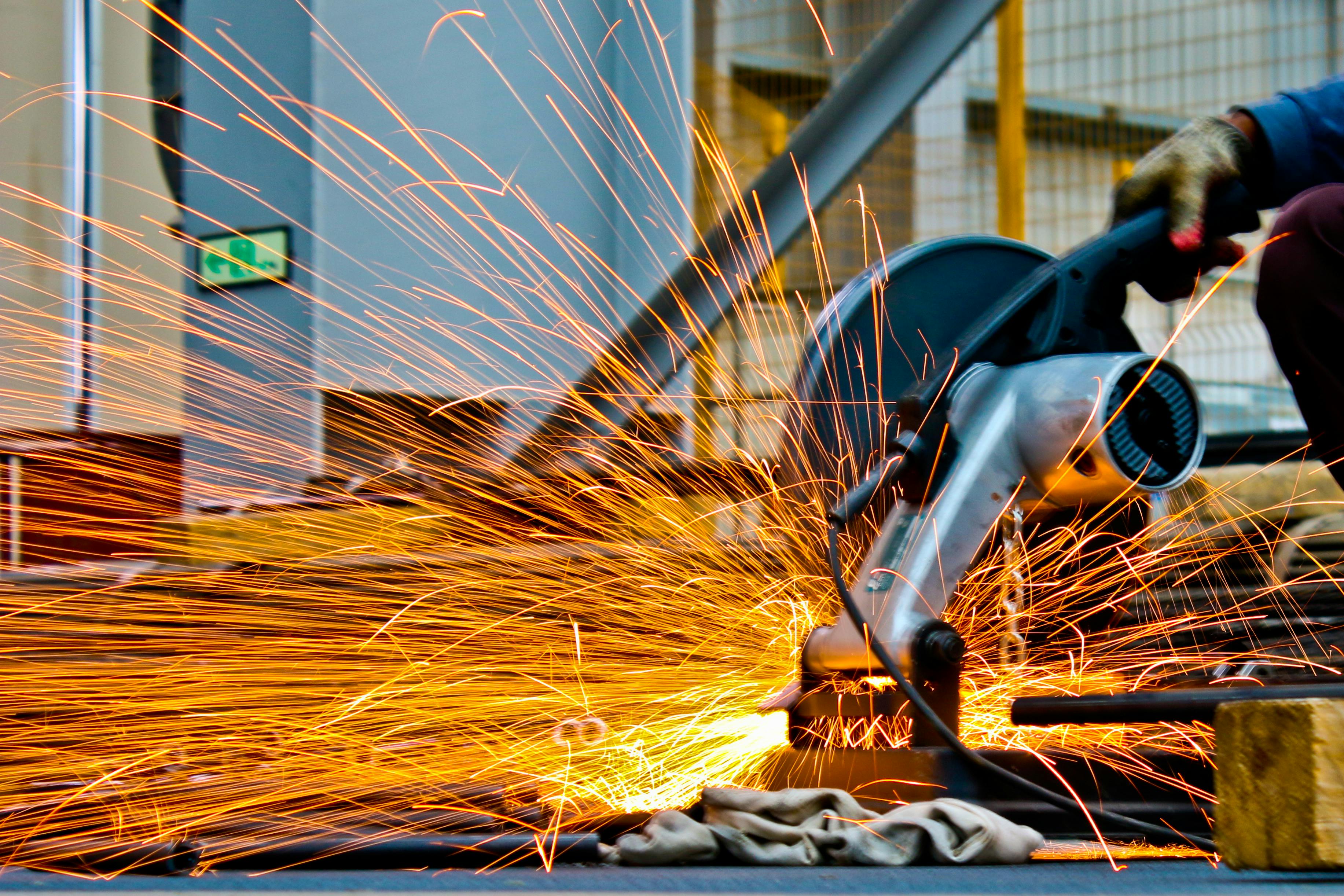
In today?s competitive manufacturing landscape, efficiency is a key driver of success. The laser metal cutting machine stands as a testament to technological advancements that have revolutionized metal fabrication. These machines are not only pivotal in enhancing precision but also in maximizing productivity. Understanding how to leverage these capabilities effectively can significantly reduce production time and costs. Businesses looking to stay ahead must explore innovative approaches to utilizing these machines for optimal results.
Understanding Laser Metal Cutting Technology
Laser metal cutting utilizes high-powered lasers to cut and engrave metal with unparalleled precision. This technology has become indispensable in industries ranging from automotive to aerospace and construction. By focusing on a concentrated beam of light, laser cutters can achieve intricate designs and complex cuts that were previously unattainable with traditional methods.
Key Benefits of Laser Metal Cutting
- Precision and Accuracy: Laser cutters deliver extremely precise cuts, reducing the need for subsequent finishing work.
- Versatility: Capable of cutting a wide variety of metals, including steel, aluminum, and copper.
- Efficiency: Speeds up the production process by reducing the time taken for cutting and minimizing material wastage.
- Cost-effectiveness: Although the initial investment is significant, the long-term savings in labor and material costs can be substantial.
- Minimal Maintenance: These machines require less maintenance compared to traditional cutting tools.
For more insights into how laser cutters can be optimized for specific applications, explore advanced guides and tips.
Strategies for Maximizing Efficiency
Maximizing the efficiency of a laser metal cutting machine involves several strategic considerations. Implementing these strategies ensures higher productivity and better resource management.
Optimizing Machine Settings
Finding the right balance in machine settings is crucial. Factors such as power levels, speed, and focus can dramatically affect the cutting process:
- Power and Speed: Adjusting these settings according to the material type and thickness is essential for optimal cutting.
- Focus: Correct focal distance ensures clean cuts and reduces the risk of burning or melting the material.
For detailed guidance on machine settings, learn about our tailored solutions.
Material Selection and Preparation
Choosing the right material and preparing it adequately can significantly impact the cutting process:
- Material Type: Different metals react differently to laser cutting; understanding these reactions is crucial.
- Surface Preparation: Ensuring the metal surface is clean and free from impurities can improve cutting quality.
Discover expert strategies here for selecting and preparing materials effectively.
Software and Design Optimization
Utilizing advanced software for design and cutting path optimization can enhance efficiency:
- Design Software: Use CAD/CAM software to create precise and efficient designs that minimize waste.
- Nesting: Optimal nesting of designs on the metal sheet reduces waste and maximizes material use.
To find out more about this approach, explore advanced guides and tips.
Conclusion
Investing in and properly utilizing a laser metal cutting machine can transform manufacturing processes. By understanding and implementing the strategies outlined above, businesses can unlock the full potential of this technology. The combination of precision, efficiency, and versatility makes laser cutting an invaluable asset. As the industry continues to evolve, staying informed and adapting to new methodologies will be key to maintaining a competitive edge. For comprehensive insights and continuous learning, discover expert strategies here.

