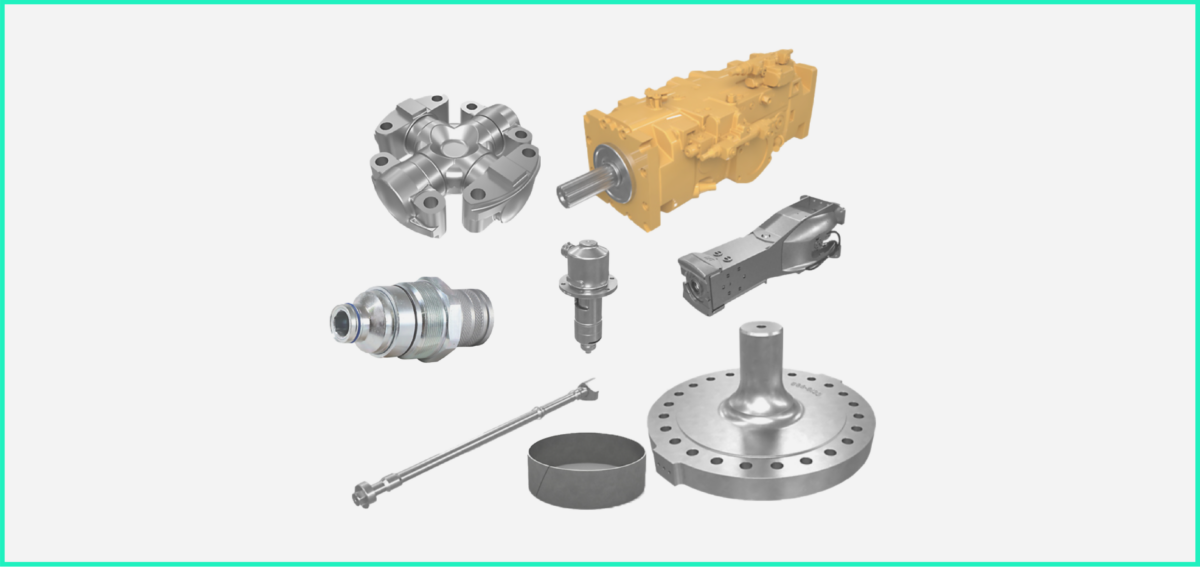
In the realm of industrial machinery and heavy equipment, hydraulic systems are paramount for efficient operations. At the core of these systems, hydraulic cylinders and seals play crucial roles in facilitating motion and maintaining pressure. However, over time, these components can wear out, necessitating reliable replacements to ensure the longevity and performance of the machinery. Understanding the intricacies of hydraulic cylinders and seals, as well as knowing where to find dependable replacement parts, is essential for maintaining seamless operations.
Understanding Hydraulic Cylinders
Hydraulic cylinders are devices that convert hydraulic energy into mechanical force. They are integral to a variety of applications, including construction equipment, manufacturing machinery, and agricultural implements. Their operation relies on the pressure exerted by hydraulic fluid, which moves a piston within a cylindrical casing.
Types of Hydraulic Cylinders
- Single-acting cylinders: These utilize hydraulic pressure to move the piston in one direction, with a spring or external force returning it to its original position.
- Double-acting cylinders: These use hydraulic pressure for both extending and retracting the piston, providing more control and power.
- Tie-rod cylinders: Common in industrial settings, these cylinders feature rods securing the end caps, making them easy to assemble and disassemble.
- Welded cylinders: Known for their compact design, these are used in mobile applications where space is limited.
The Role of Hydraulic Seals
Hydraulic seals are critical for preventing fluid leakage and maintaining pressure within hydraulic systems. They ensure the system’s efficiency by sealing gaps between different components, such as the cylinder head and piston.
Types of Hydraulic Seals
- Rod seals: These prevent fluid leakage from the hydraulic cylinder along the rod.
- Piston seals: Essential for maintaining pressure in the piston chamber, facilitating efficient movement.
- Wiper seals: Protect the interior of the cylinder by removing dirt and debris from the rod.
- Static seals: Used in non-moving parts to prevent leaks at joints and connections.
Finding Reliable Replacement Parts
When it comes to replacing hydraulic cylinders and seals, finding reliable parts is crucial to maintaining the integrity of the hydraulic system. Subpar components can lead to frequent breakdowns and increased maintenance costs. To ensure quality and compatibility, consider the following:
- Source components from reputable suppliers with a track record of providing high-quality parts.
- Verify that the replacement parts meet the specifications and standards required for your particular machinery.
- Prioritize suppliers who offer comprehensive technical support and installation guidance.
- Explore advanced guides and tips on choosing the right components.
Installation and Maintenance
Proper installation and maintenance of hydraulic cylinders and seals are key to extending their lifespan and ensuring optimal performance. Keep the following in mind:
- Ensure that installation is carried out by trained professionals to prevent damage and ensure the correct fit.
- Regularly inspect the hydraulic system for signs of wear and tear, such as leaks or decreased performance.
- Implement a preventive maintenance schedule to address issues before they lead to significant downtime.
- Find out more about this approach to maintenance and system longevity.
Conclusion
Hydraulic cylinders and seals are indispensable components in many industrial applications. Understanding their function and knowing how to source reliable replacement parts can significantly affect the efficiency and durability of machinery. By leveraging expert resources and following best practices for installation and maintenance, businesses can ensure their hydraulic systems remain robust and dependable. For more insights and strategies, discover expert strategies here and enhance your approach to hydraulic system management.

