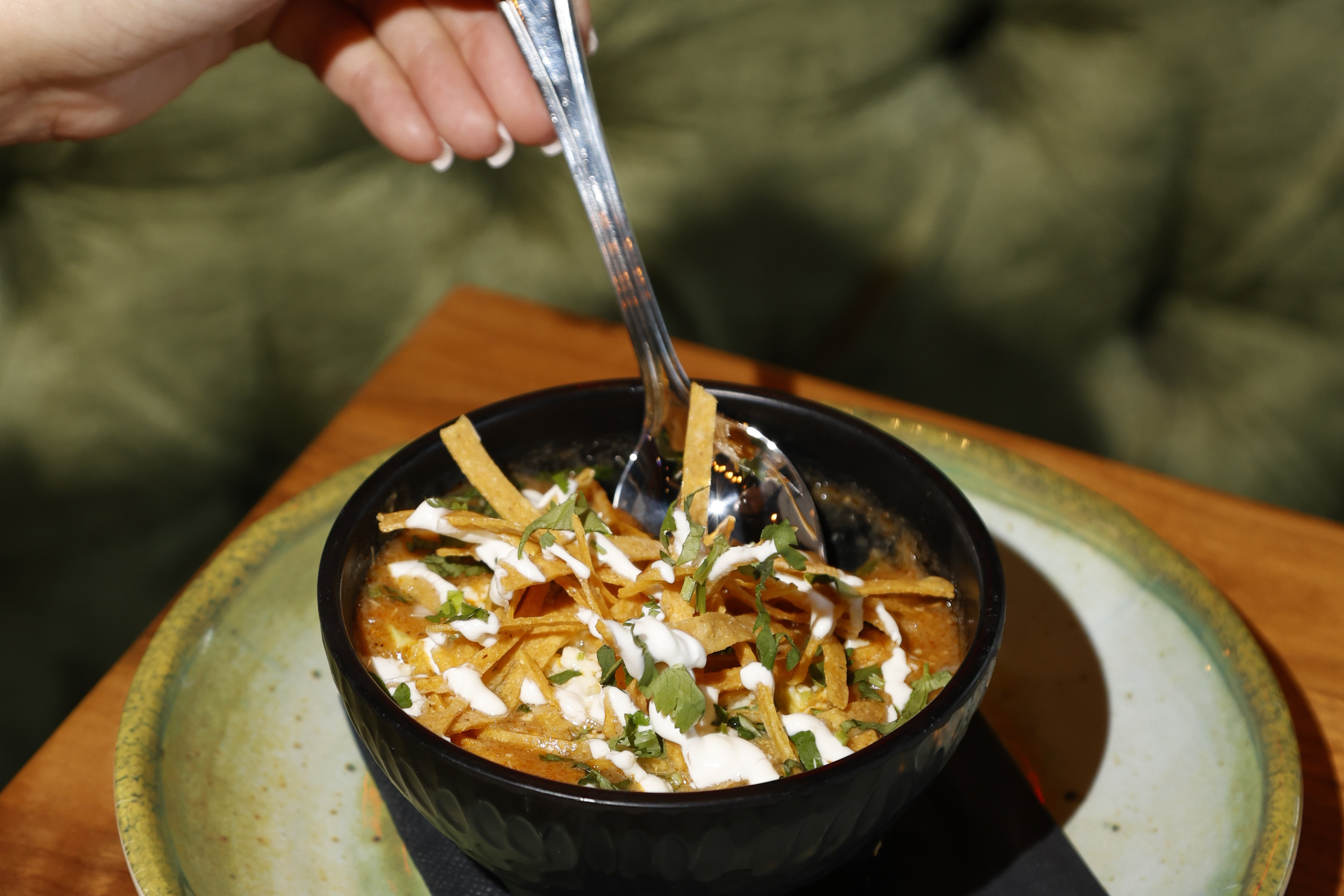
The Mexican culinary scene has evolved far beyond traditional tacos and margaritas, embracing a sophisticated blend of heritage, innovation, and sustainability. Modern diners seek authentic flavors delivered with contemporary flair, and establishments that master this balance are redefining what it means to enjoy Mexican cuisine today. This article explores the key trends shaping the industry, practical techniques for chefs, and timeless elements that continue to captivate palates worldwide.
Current Trends Shaping Mexican Restaurants
1. Farm-to-Table Ingredients
- Local sourcing reduces carbon footprints and ensures peak freshness.
- Seasonal menus highlight regional produce such as Oaxaca corn, heirloom chilies, and heritage beans.
- Partnerships with nearby farms create storytelling opportunities that resonate with diners.
2. Elevated Street Food
- Classic street staples, tacos, elote, and tostadas, are being reimagined with premium proteins like duck confit or grilled octopus.
- Artisanal tortillas crafted in-house add texture and aroma that mass-produced versions lack.
- Interactive service models, such as build-your-own taco bars, increase engagement.
3. Cocktail Innovation
- Beyond the traditional margarita, mixologists are incorporating mezcal, smoky agave spirits, and native herbs.
- Low-ABV spritzes and infused water stations cater to health-conscious guests.
- Signature drinks often reference local folklore, adding cultural depth.
4. Sustainable Practices
- Compostable packaging and zero-waste kitchen policies are becoming standard.
- Menu items featuring nose-to-tail or root-to-stalk concepts minimize waste.
- Energy-efficient equipment and water-saving fixtures reduce operational costs.
Key Techniques for Delivering Authentic Yet Modern Flavors
Ingredient Preparation
Investing time in proper preparation is essential. For example, roasting chilies over an open flame unlocks deep, smoky notes that can be blended into sauces, salsas, or marinades. Soaking dried beans overnight and cooking them with aromatics such as bay leaf and cinnamon yields a velvety texture that serves as a perfect base for refried beans or hearty stews.
Balancing Heat and Sweetness
Mexican cuisine thrives on contrast. Pairing fiery habaneros with the natural sweetness of roasted pineapple creates a harmonious bite that excites the palate without overwhelming it. Incorporating a drizzle of agave nectar or a splash of fruit-based purée can temper heat while enhancing complexity.
Texture Management
A successful dish offers multiple textures, crisp, creamy, and chewy. Consider layering a crunchy tostada shell with a silky chipotle-cream sauce, followed by tender shredded pork and a fresh pico de gallo. The interplay keeps diners engaged from the first forkful to the last.
Designing a Menu That Reflects Expertise
- Clear Categorization: Separate sections for appetizers, mains, and desserts, with sub-headings for vegetarian, seafood, and meat-focused options.
- Descriptive Language: Use sensory adjectives, "char-grilled," "smoky-infused," "hand-pressed", to convey quality without sounding overly promotional.
- Seasonal Highlights: Rotate featured dishes every 8-12 weeks to keep the menu fresh and encourage repeat visits.
- Strategic Linking: Embed relevant links naturally within menu descriptions or chef notes to guide readers toward additional resources.
For an exemplary illustration of how these principles come together, explore the curated offerings at Tulio's Tacos and Tequila Bar. The venue blends traditional flavors with modern plating, showcasing the power of thoughtful sourcing and innovative technique.
Marketing the Modern Mexican Experience
Digital Storytelling
High-quality photography of the cooking process, behind-the-scenes videos, and chef interviews build authenticity. Sharing these assets on social platforms and embedding them in blog posts strengthens brand authority.
Community Engagement
Hosting cooking workshops, mezcal tasting nights, or farm-to-table pop-ups positions the restaurant as a cultural hub. Partnerships with local artists for mural projects or live music nights further embed the establishment within the neighborhood fabric.
Strategic Partnerships
Collaborating with tourism boards, culinary schools, and food influencers expands reach. When these partners reference the venue, it adds credibility and drives organic traffic.
Future Outlook: What Lies Ahead?
The trajectory of Mexican dining points toward deeper integration of technology, online reservation systems that suggest personalized menu items based on previous orders, AI-driven inventory that reduces waste, and augmented-reality menus that visualize dishes before ordering. Simultaneously, the core of the experience, rich flavors, communal sharing, and cultural storytelling, will remain unchanged.
By embracing sustainable sourcing, elevating street-food classics, and leveraging modern marketing tools, restaurants can deliver an experience that feels both timeless and forward-thinking. The result is a dining journey that honors tradition while inviting curiosity, ensuring that Mexican cuisine continues to thrive on the global stage.
For further inspiration, a visit to Tulio's Tacos and Tequila Bar demonstrates how these concepts translate into a cohesive, memorable guest experience.