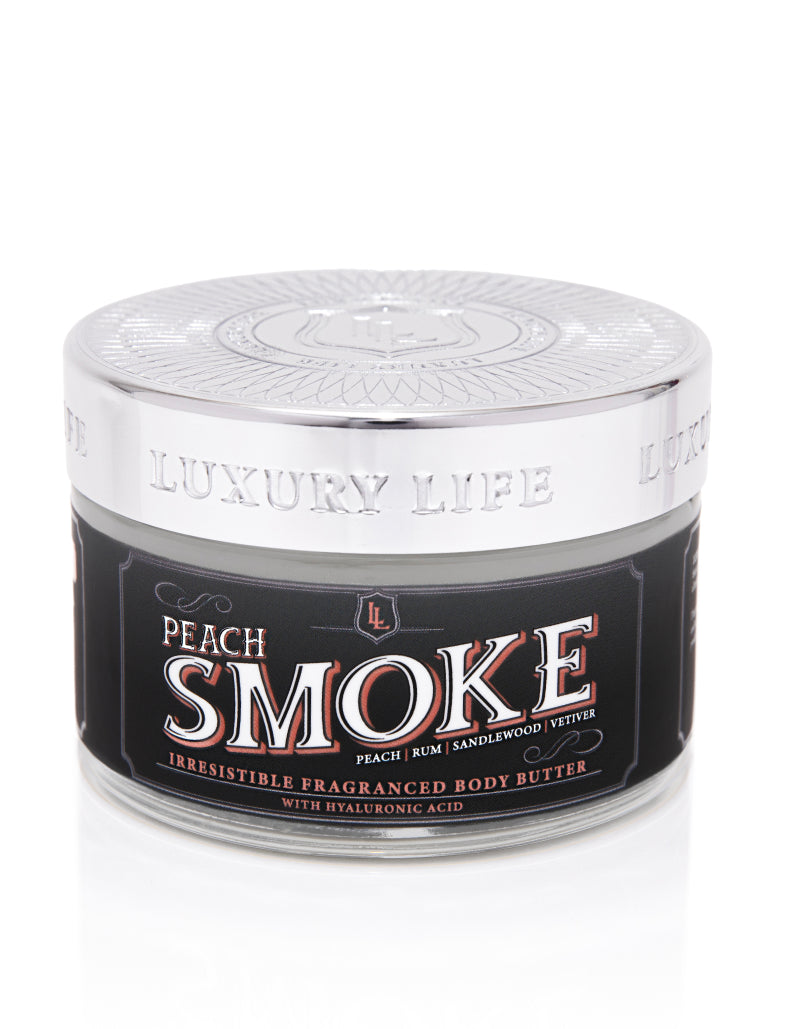
Body butter is a popular skincare product known for its rich, creamy texture and moisturizing properties. In addition to helping nourish dry skin, body butter can make a personal care routine more enjoyable through a wide range of fragrances. From fresh and citrusy notes to warm, sweet, floral, and woody scents, body butter fragrances offer options for different preferences, seasons, and occasions.
Choosing the right fragrance is not only about finding a scent that smells pleasant. The fragrance can influence how a body butter feels as part of a daily routine, making it important to consider scent strength, ingredients, personal preferences, and when the product will be used.
What Are Body Butter Fragrances?
Body butter fragrances are the scented components added to body butter formulations. They give the product its distinctive aroma and can range from simple single-note scents to complex fragrance blends.
Common fragrance families include floral, fruity, citrus, gourmand, woody, fresh, and oriental-inspired profiles. Some body butters are lightly scented, while others have a stronger fragrance designed to remain noticeable after application.
The fragrance experience can also depend on the formulation. Natural body oils, butters, and other ingredients may influence how a fragrance develops on the skin.
Popular Types of Body Butter Fragrances
Different fragrance families create different experiences. Understanding these categories can make it easier to identify scents that match individual preferences.
Floral Fragrances
Floral fragrances are among the most recognizable scent categories. They can feature notes inspired by rose, jasmine, lavender, gardenia, violet, or other flowers.
Depending on the blend, floral body butter can smell soft and delicate or rich and sophisticated. These fragrances are often suitable for people who enjoy classic, elegant scents.
Fruity Fragrances
Fruity body butter fragrances can include notes such as strawberry, peach, mango, raspberry, coconut, or apple. They generally create a sweet and refreshing aroma.
Fruity fragrances can be especially appealing for everyday use because many blends have a light, cheerful character.
Citrus Fragrances
Citrus scents commonly feature lemon, orange, grapefruit, lime, or bergamot. They are typically associated with fresh, bright aromas.
Citrus-fragranced body butter can be a refreshing choice for a morning skincare routine or warmer weather.
Gourmand Fragrances
Gourmand fragrances are inspired by edible or dessert-like aromas. Vanilla, chocolate, caramel, honey, and creamy notes are common examples.
These scents can create a warm and comforting fragrance profile, making them popular among people who enjoy sweet body care products.
Woody Fragrances
Woody fragrances may include sandalwood, cedar, amber, or other earthy notes. They can provide a deeper and more sophisticated scent profile.
Woody fragrances are often blended with floral, citrus, or vanilla notes to create a balanced aroma.
Fresh and Clean Fragrances
Fresh fragrances can include aquatic, herbal, green, or clean-linen-inspired notes. They tend to have a light and refreshing character.
These scents may work well for people who prefer body care products that smell subtle rather than strongly sweet or floral.
How to Choose the Right Body Butter Fragrance
Choosing a fragrance is largely a matter of personal preference, but several practical factors can help narrow down the options.
Consider Your Favorite Scents
Start by thinking about perfumes, candles, soaps, or other personal care products you already enjoy. If you regularly prefer vanilla-based fragrances, for example, a gourmand body butter may be a natural choice.
Similarly, people who enjoy fresh scents may prefer citrus, green, or clean fragrance profiles.
Think About the Season
Certain fragrances may feel more appropriate for particular times of the year. Fresh citrus and fruity scents can feel refreshing during warmer months, while vanilla, caramel, amber, and woody fragrances may feel more comforting during cooler weather.
There are no strict rules, however. The best fragrance is ultimately the one you enjoy using.
Match the Fragrance to Your Routine
Consider when you plan to use the body butter. A subtle fragrance may be convenient for daytime use, especially if you also wear perfume. A richer fragrance may be appealing as part of an evening skincare routine.
Using a scented body butter can also complement other products in your routine when the fragrance profiles work well together.
Body Butter Fragrance and Skin Sensitivity
Fragrance can be an important consideration for people with sensitive skin. Some fragrance ingredients may cause irritation or sensitivity in certain individuals.
Before using a new body butter, check the product’s ingredient list and follow the manufacturer’s directions. If you know that your skin reacts to particular fragrance ingredients, look for products that meet your personal skincare requirements.
A patch test may also be appropriate when recommended by the product manufacturer or a healthcare professional. Stop using a product if you experience significant irritation or an unexpected skin reaction.
Fragrance Strength Matters
Not everyone wants the same level of fragrance. Some people prefer a noticeable scent, while others want only a subtle aroma.
When choosing body butter, check product descriptions for information about fragrance intensity where available. A highly fragranced product may not be ideal if you prefer minimal scent or already use strongly fragranced perfume.
Layering multiple strongly scented products can also create an overwhelming combination. Using complementary scents can create a more balanced overall fragrance experience.
How to Make Body Butter Fragrance Last Longer
The longevity of a fragrance can vary depending on the formulation, skin type, environment, and other products being used.
Applying body butter to clean, slightly damp skin can help support a comfortable moisturizing routine. Some people also coordinate their body butter with a perfume or body mist from the same fragrance family.
For example, a vanilla body butter can be paired with a complementary warm or gourmand fragrance. Citrus body butter can work alongside other fresh or citrus-based products.
Avoid applying excessive amounts simply to make a fragrance stronger. Follow the product’s recommended usage instead.
Benefits of Using Fragranced Body Butter
Fragranced body butter combines skincare with a pleasant sensory experience. Its rich texture can make moisturizing feel more enjoyable, while the fragrance can add a personal touch to a daily routine.
Depending on the formulation, body butter may contain ingredients such as shea butter, cocoa butter, mango butter, or plant oils that help moisturize and soften the skin. The specific benefits depend on the ingredients and formulation of the individual product.
Fragrance itself should not be considered a substitute for moisturizing ingredients. When selecting a body butter, consider both the skincare formulation and the fragrance profile.
Final Thoughts
Body butter fragrances provide a wide range of options for creating a more enjoyable personal care routine. Whether you prefer floral, fruity, citrus, gourmand, woody, or fresh scents, there are fragrance profiles to suit different preferences.
When choosing a body butter, consider the scent family, fragrance strength, season, intended use, and your skin’s individual needs. Checking the ingredient list is particularly important if you have sensitive skin or known fragrance sensitivities.
The ideal body butter fragrance is one that fits comfortably into your routine while providing the moisturizing experience you want. By exploring different fragrance families and understanding what you enjoy, you can find body butter scents that make everyday skincare feel more personalized and enjoyable.