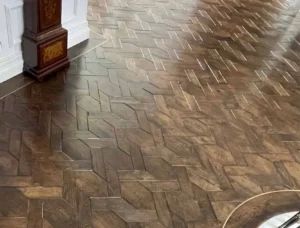
When it comes to enhancing the aesthetic and functional appeal of a business space, the flooring often plays a pivotal role. Commercial flooring is not just about covering floors; it is about creating an environment that reflects the brand’s identity and meets practical needs. Effective commercial flooring projects can improve safety, enhance appearance, and even boost employee productivity. Selecting the right type of flooring for a commercial setting involves considering factors like durability, maintenance, and cost-effectiveness. This article explores how businesses can benefit from well-planned commercial flooring projects, ensuring lasting value and impact.
Understanding Commercial Flooring Options
Choosing the right flooring solution is crucial to meeting the specific needs of a business environment. Here are some popular options:
- Carpet Tiles: Ideal for offices and hotels, carpet tiles are easy to install and replace. They provide sound insulation and come in various designs to match any decor.
- Vinyl Flooring: Known for its durability and ease of maintenance, vinyl flooring is perfect for high-traffic areas such as retail stores and hospitals.
- Laminate Flooring: Offers the appearance of wood or stone at a fraction of the cost, making it suitable for budget-conscious projects.
- Stone and Ceramic Tiles: These are perfect for spaces that require a touch of luxury and durability, such as lobbies and restrooms.
Each of these options has unique benefits, and selecting the right one depends on the specific requirements of the space. Read more about this topic to understand which flooring type best suits your business needs.
Benefits of Professional Flooring Installation
Investing in professional installation services ensures that the flooring project aligns with the highest standards. Here are some advantages:
- Expertise and Experience: Professionals bring a wealth of knowledge and experience, ensuring that the flooring is installed correctly and efficiently.
- Time and Cost Efficiency: Proper installation minimizes waste and reduces the time required to complete the project, saving money in the long run.
- Guaranteed Quality: Professional installers offer warranties that guarantee the quality of their work, providing peace of mind for business owners.
Learn more in this detailed guide about how professional installation can enhance the longevity and appeal of commercial flooring.
Maintaining Commercial Flooring
Maintenance is a critical aspect of ensuring the longevity and appearance of commercial flooring. Here are some maintenance tips:
- Regular Cleaning: Implement a routine cleaning schedule to prevent dirt accumulation and staining.
- Proper Use of Cleaning Agents: Use appropriate cleaning solutions that are recommended for the specific type of flooring to prevent damage.
- Addressing Spills and Stains Promptly: Quick action against spills can prevent permanent stains and maintain the floor’s appearance.
Explore further insights here to understand the best maintenance practices for different types of commercial flooring.
Designing with Commercial Flooring
Creating a Cohesive Look
Flooring plays a crucial role in the overall design and feel of a commercial space. It is essential to choose colors and patterns that align with the brand’s identity and create a cohesive look. Consider the following:
- Color Coordination: Use flooring colors that complement the brand’s color palette, enhancing brand recognition and appeal.
- Texture and Patterns: Select patterns that add visual interest and texture to the space, making it more inviting.
- Space Optimization: Use flooring to define areas within an open space, guiding foot traffic and optimizing the layout.
Find additional information here on how to effectively incorporate flooring design into your business’s overall aesthetic.
In conclusion, commercial flooring projects are essential investments that can significantly enhance a business’s environment. By choosing the right flooring, ensuring professional installation, maintaining it properly, and integrating it into the overall design, businesses can create functional and appealing spaces that reflect their brand’s values and enhance the customer experience.

