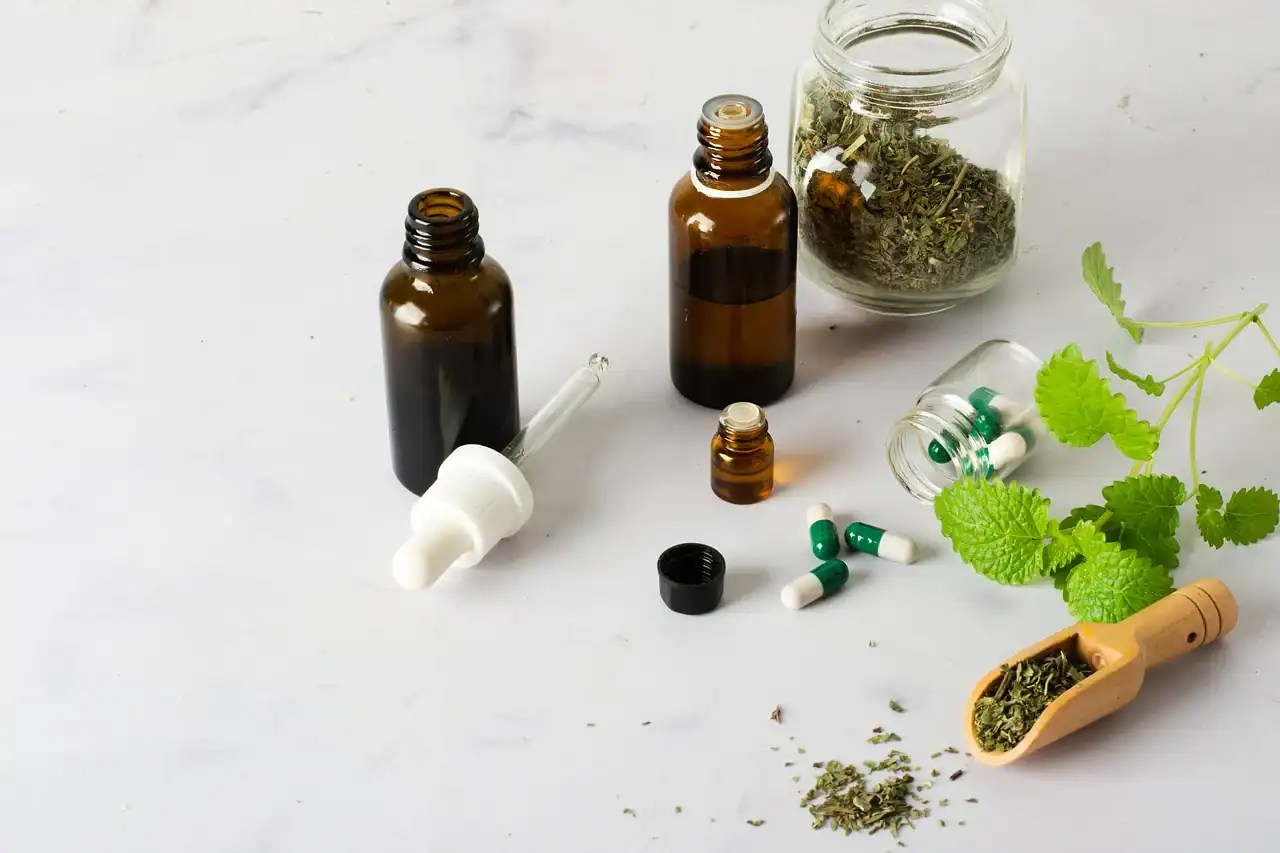
Maintaining optimal cholesterol levels is crucial for overall health and wellness. While conventional medicine often emphasizes pharmaceuticals, many individuals are turning to alternative solutions such as naturopathy for holistic management of cholesterol levels. Naturopathy, a practice focusing on natural remedies and the body’s self-healing abilities, offers a complement or alternative to traditional approaches. This article explores how naturopathy can be a valuable ally in achieving and maintaining healthy cholesterol levels.
Understanding Cholesterol and Its Impact
Cholesterol is a waxy substance found in the blood, essential for building healthy cells. However, an excess can lead to health issues, such as heart disease. It is divided into two main types:
- Low-Density Lipoprotein (LDL): Often referred to as “bad” cholesterol, high levels can lead to plaque buildup in arteries.
- High-Density Lipoprotein (HDL): Known as “good” cholesterol, it helps remove other forms of cholesterol from the bloodstream.
Balancing these levels is crucial, and naturopathy offers various strategies to achieve this balance. Discover expert strategies here to manage cholesterol through naturopathy.
The Principles of Naturopathy
Naturopathy is grounded in the belief that the body has an innate ability to heal itself when provided with the right conditions. This approach focuses on:
- Diet and Nutrition: Emphasizing whole foods, organic produce, and balanced meals.
- Herbal Medicine: Utilizing plant-based remedies to support health.
- Lifestyle Changes: Encouraging regular exercise, adequate sleep, and stress reduction.
Each of these principles can play a significant role in managing cholesterol levels. Learn about our tailored solutions for integrating these practices into daily life.
Dietary Changes for Cholesterol Management
Diet is a cornerstone of naturopathic treatment. Key dietary changes can help control cholesterol levels:
- Increase Fiber Intake: Foods high in soluble fiber, such as oats and beans, can lower LDL cholesterol.
- Incorporate Healthy Fats: Sources like olive oil, nuts, and avocados support HDL cholesterol.
- Limit Saturated Fats: Reducing intake of red meat and full-fat dairy products can lower LDL levels.
For a comprehensive guide on dietary changes, explore advanced guides and tips.
Herbal Remedies and Supplements
Herbal medicine is another pillar of naturopathy, offering alternative remedies for cholesterol management:
- Garlic: Known for its cholesterol-lowering properties.
- Psyllium Husk: A source of soluble fiber that aids in reducing LDL cholesterol.
- Red Yeast Rice: Contains naturally occurring statins that may help manage cholesterol levels.
Consulting a professional for personalized advice is recommended. Find out more about this approach and how it can be tailored to individual needs.
Lifestyle Modifications
In addition to dietary changes and herbal supplements, lifestyle modifications are vital:
- Regular Exercise: Activities like walking, swimming, and cycling can improve cholesterol levels.
- Stress Management: Practices such as yoga and meditation can reduce stress-induced cholesterol spikes.
- Adequate Sleep: Ensuring sufficient rest supports overall health and cholesterol regulation.
These changes can be instrumental in maintaining healthy cholesterol levels. Explore advanced guides and tips for implementing these lifestyle modifications.
Conclusion
Naturopathy presents a holistic approach to managing cholesterol, focusing on diet, lifestyle, and natural remedies. By harnessing the body’s self-healing capabilities, it offers a complementary or alternative path to traditional pharmaceutical methods. For those seeking a more natural approach to cholesterol management, naturopathy provides a comprehensive and personalized path to achieving optimal health. Discover expert strategies here to explore the potential of naturopathy in your wellness journey.

