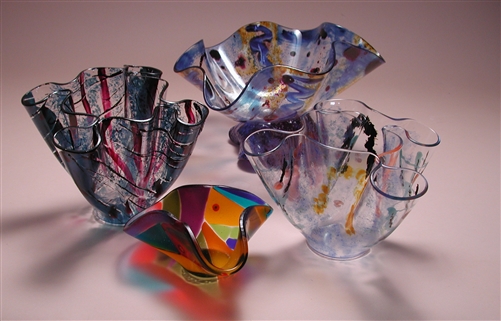
Glass art is a captivating field that combines creativity with technical precision. Among the various techniques used in glass art, slumping stands out as a magical process that transforms glass sheets into beautifully contoured shapes through the application of heat. This technique allows artists and craftsmen to create stunning glass pieces with unique forms and textures, enhancing both functional and decorative elements. Let’s delve into the fascinating process of glass slumping and uncover how this transformative technique works.
Understanding the Process of Glass Slumping
Slumping involves heating a sheet of glass in a kiln until it becomes pliable enough to conform to the shape of a mold. The glass is carefully laid over the mold and heated at a controlled temperature, allowing it to bend and mold itself into the desired shape without losing its original properties. This intricate process requires a deep understanding of glass properties and precise temperature control to ensure the glass conforms perfectly to the mold.
Key Steps in Glass Slumping
- Mold Preparation: Selecting the right mold is crucial. It defines the final shape and texture of the slumped glass.
- Glass Selection: Choosing the appropriate type and thickness of glass impacts the quality and durability of the final piece.
- Firing Schedule: A precise heating and cooling schedule is essential to prevent stress and breakage in the glass.
- Annealing: Proper cooling is critical to relieve internal stresses and ensure the glass remains intact.
For those interested in mastering these steps, it’s beneficial to explore advanced guides and tips that provide detailed insights into the nuances of the slumping process.
Applications of Glass Slumping
Glass slumping is utilized in a variety of applications, ranging from artistic creations to practical household items. It offers the versatility to craft pieces that are both aesthetically pleasing and functional.
Artistic Creations
Artists use slumping to produce stunning sculptures, intricate wall panels, and vibrant decorative elements. The technique allows for experimentation with colors, textures, and forms, pushing the boundaries of traditional glass art. To discover expert strategies here, artists can enhance their skills and expand their creative horizons.
Functional Items
- Bowls and Plates: Elegant, custom-shaped glassware for dining and display.
- Lighting Fixtures: Unique, contoured glass shapes that enhance lighting designs.
- Architectural Elements: Curved glass panels that add sophistication to interior and exterior spaces.
For those seeking to incorporate slumped glass into their projects, learn about our tailored solutions to find the best approaches for various applications.
Challenges and Considerations
While slumping is a rewarding technique, it comes with its own set of challenges that require careful consideration:
- Temperature Control: Maintaining precise temperatures is critical to avoid thermal shock and ensure uniform slumping.
- Mold Selection: Choosing the right mold material and design is essential to achieve the desired outcome.
- Glass Compatibility: Different types of glass have varying thermal expansion coefficients, which must be compatible to prevent cracking.
For enthusiasts and professionals alike, understanding these challenges and how to navigate them is vital. Find out more about this approach to ensure successful outcomes in glass slumping projects.
In conclusion, the art of glass slumping is a testament to the blend of creativity and science. By mastering this technique, artists and artisans can produce extraordinary glass pieces that capture light and imagination. Whether for artistic expression or practical application, the possibilities are vast and inspiring.