Septic systems are a crucial part of many homes, especially those located in rural areas where access to municipal sewers is limited. These underground systems collect and treat wastewater from homes, but like any other system, they require regular maintenance to function properly. One of the most important aspects of septic system maintenance is septic tank pumping, which involves removing waste from the tank to prevent backups and overflows. Septic tank pumping is a process that should be performed regularly to ensure the health and safety of those living in the home.
The Importance of Regular Maintenance
Regular maintenance is essential for the longevity and effectiveness of septic systems. If the system is not properly maintained, it can lead to a range of problems, including backups, overflows, and even system failure. These issues can be costly and time-consuming to repair, and in some cases, may require extensive excavation and replacement of the system. By performing regular maintenance tasks, such as inspecting the system, checking for leaks, and septic tank pumping, homeowners can help prevent these problems and ensure their system continues to function properly.
How Often Should You Pump Your Septic Tank?
The frequency at which you need to pump your septic tank will depend on a range of factors, including the size of the tank, the number of people living in the home, and the amount of wastewater generated. Generally, septic tanks should be pumped every 3 to 5 years, but this can vary depending on the specific needs of the system. It’s essential to keep track of when the tank was last pumped and to schedule regular maintenance to ensure the system remains in good working order.
The Benefits of Regular Septic Tank Pumping
Regular septic tank pumping offers a range of benefits, including:
- Prevents backups and overflows
- Reduces the risk of system failure
- Helps to maintain a healthy and safe living environment
- Can help to prevent costly repairs and replacements
In addition to these benefits, regular septic tank pumping can also help to extend the life of the system, reducing the need for costly repairs and replacements. By investing in regular maintenance, homeowners can help to ensure their septic system continues to function properly for years to come.
What to Expect During a Septic Tank Pumping
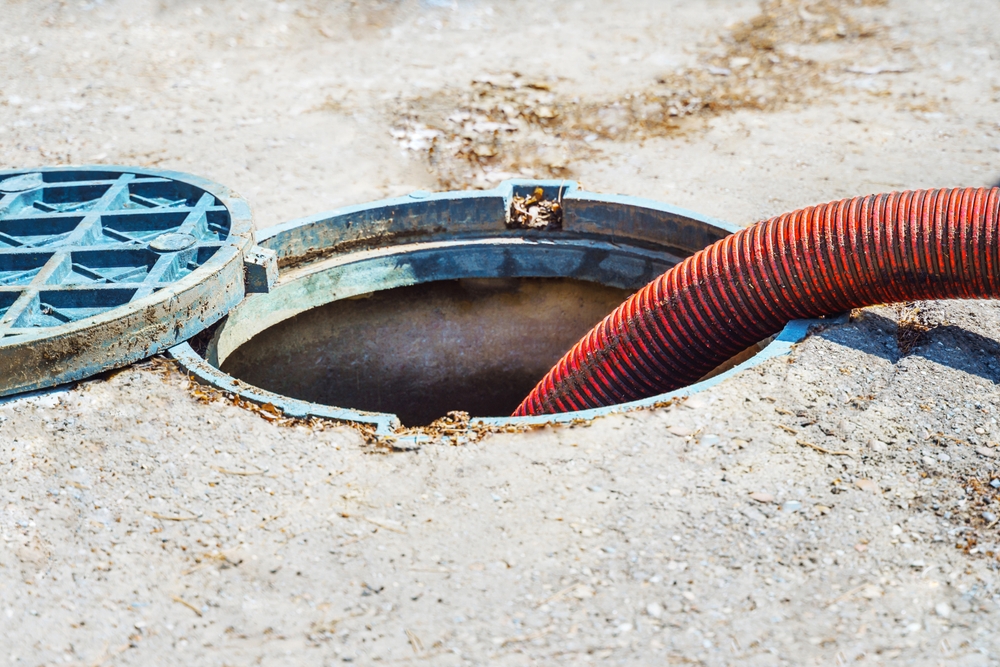
During a septic tank pumping, a technician will arrive at the home and locate the septic tank. They will then use specialized equipment to remove the waste from the tank, taking care to ensure the system remains in good working order. The technician may also perform additional maintenance tasks, such as inspecting the system and checking for leaks.
Conclusion
Septic systems are a crucial part of many homes, and regular maintenance is essential for their longevity and effectiveness. By performing regular tasks, such as inspecting the system, checking for leaks, and septic tank pumping, homeowners can help prevent problems and ensure their system continues to function properly. By investing in regular maintenance, homeowners can help to extend the life of the system, reducing the need for costly repairs and replacements.