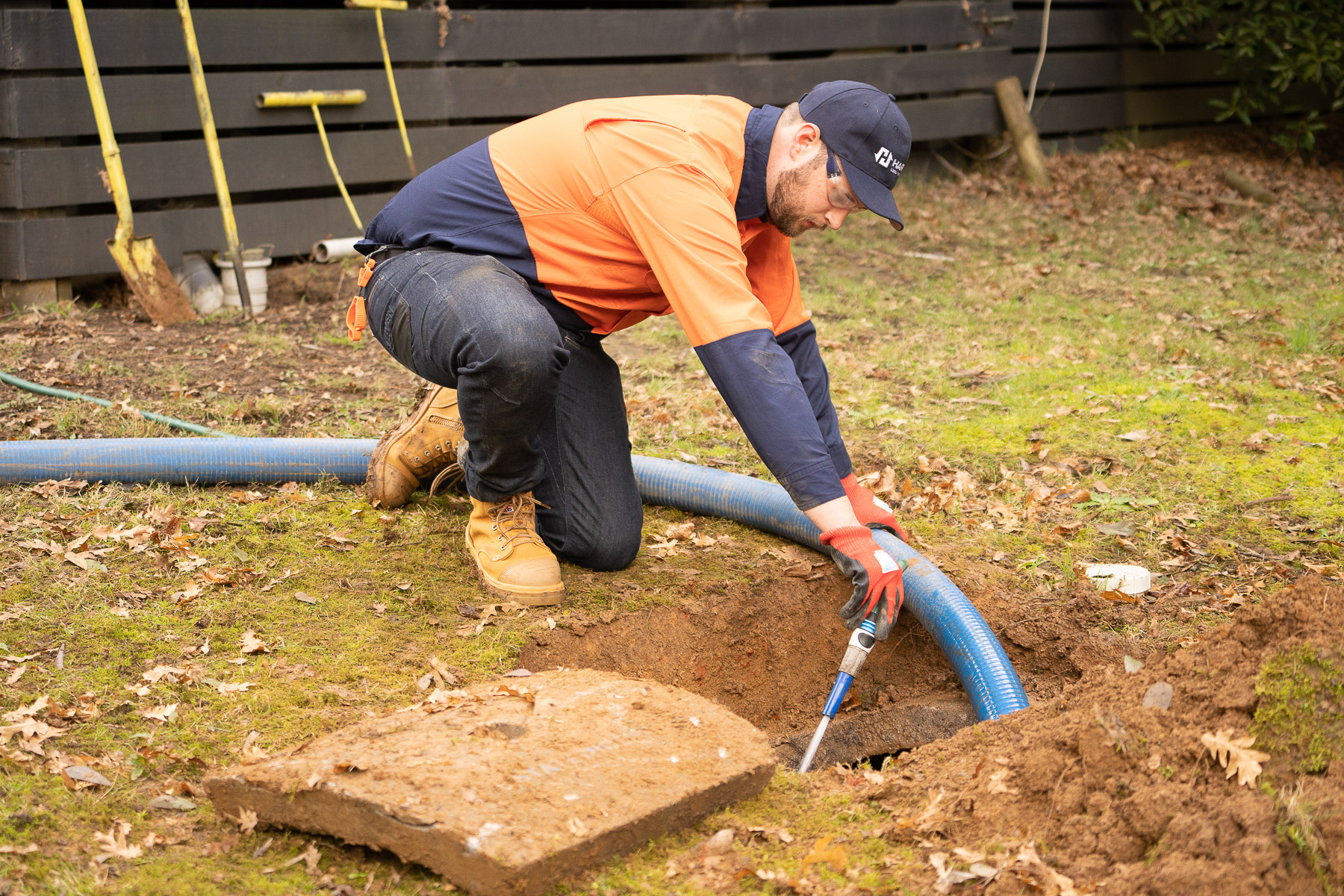
Septic systems are the silent workhorses of many residential properties, handling waste disposal without the need for municipal sewer connections. While they are built to last, regular maintenance is essential to prevent costly failures. Knowing when to call a professional for septic tank pumping can save homeowners from unpleasant odors, backups, and expensive repairs. This guide outlines the key signs that indicate it’s time for service, explains the pumping process, and offers best-practice tips for extending the life of a septic system.
Why Regular Septic Tank Pumping Matters
Over time, solid waste accumulates at the bottom of a septic tank, forming a layer of sludge. If this sludge is not removed, it can overflow into the drain field, reducing its ability to treat effluent and eventually causing system failure. Regular pumping helps:
- Maintain optimal tank capacity and hydraulic performance.
- Prevent surface and subsurface backups.
- Extend the lifespan of the drain field.
- Reduce the risk of costly repairs or replacements.
Key Indicators That It’s Time for Professional Service
1. Slow Drains and Gurgling Pipes
When wastewater takes longer than usual to disappear from sinks, showers, or tubs, it often signals that the tank is nearing capacity. Gurgling sounds in the plumbing are another red flag, indicating air being forced through the system because the solids are obstructing flow.
2. Unpleasant Odors Around the Property
A healthy septic system should emit no noticeable smell. Persistent sulfur or sewage odors around the leach field, near the tank, or in the yard suggest that solids are escaping the tank and contaminating the surrounding soil.
3. Backups in Toilets or Drains
Frequent or sudden backups in toilets, floor drains, or outdoor fixtures are a clear sign that the tank’s capacity is compromised. This situation often requires immediate septic tank pumping to restore proper function.
4. Wet Spots or Lush Vegetation Over the Drain Field
Excessive moisture, standing water, or unusually green grass over the drain field can indicate that effluent is not being absorbed properly, often because the tank is overloaded with solids.
5. Age of the System
Even without obvious symptoms, most septic tanks benefit from pumping every 3-5 years, depending on household size and water usage. Older systems, especially those installed more than 20 years ago, may require more frequent inspections.
Understanding the Septic Tank Pumping Process
A professional septic service follows a systematic approach to ensure thorough cleaning and safe disposal of waste:
- Inspection: The technician checks the tank’s level, condition, and any signs of damage.
- Access: A lid is removed, and a vacuum truck is positioned over the tank.
- Pumping: High-pressure suction removes sludge and scum, leaving the tank clean.
- Cleaning: The interior walls are rinsed to remove residual waste.
- Restoration: The lid is securely replaced, and the site is left clean.
All waste is transported to an approved treatment facility, complying with local environmental regulations.
How to Choose the Right Professional
Selecting a qualified service provider ensures the job is done safely and efficiently. Consider the following criteria:
- Licensed and insured technicians.
- Positive customer reviews and a solid reputation.
- Transparent pricing and clear service agreements.
- Experience with local soil conditions and regulations.
For homeowners seeking a reliable partner, a quick search for septic tank pumping services in the area can provide a list of vetted professionals.
Preventive Practices to Reduce Pumping Frequency
While regular pumping is unavoidable, everyday habits can lessen the load on the system:
- Avoid flushing non-biodegradable items (e.g., wipes, sanitary products).
- Limit the use of harsh chemicals that kill beneficial bacteria.
- Distribute water usage throughout the day to prevent overload.
- Install water-saving fixtures to reduce overall flow.
- Schedule routine inspections every 1-2 years.
Conclusion
Recognizing the signs of a failing septic system and acting promptly by contacting a professional for septic tank pumping can prevent emergencies, protect property value, and safeguard the environment. By adhering to a regular maintenance schedule and following best-practice household habits, homeowners can enjoy reliable, trouble-free wastewater management for years to come.