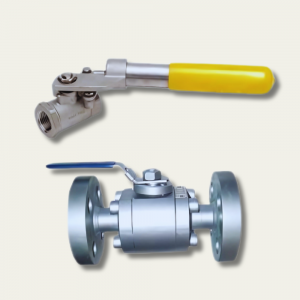
When it comes to selecting the right ball valve for a particular application, engineers and technicians often face a crucial decision: stainless steel or brass. Both materials have their own set of advantages and disadvantages, and the choice ultimately depends on the specific requirements of the project. In this article, we will delve into the key differences between stainless ball valves and brass ball valves, exploring their unique characteristics, benefits, and limitations. Discover expert strategies here for selecting the ideal material for your next project.
Stainless Ball Valves: A Closer Look
Stainless steel ball valves are known for their exceptional durability and resistance to corrosion. They are often used in harsh environments where exposure to chemicals, high temperatures, and extreme pressures is common. These valves are particularly suitable for applications involving seawater, acids, and other corrosive substances. Learn about our tailored solutions for overcoming common challenges in ball valve selection.
- High resistance to corrosion and wear
- Excellent durability and lifespan
- Wide range of temperature and pressure tolerance
- Easy maintenance and cleaning
Advantages of Stainless Ball Valves
Stainless steel ball valves offer several advantages over their brass counterparts. They are more resistant to corrosion, have a longer lifespan, and can withstand extreme temperatures and pressures. Additionally, they are relatively easy to maintain and clean, making them a popular choice for industries that require frequent valve maintenance.
Brass Ball Valves: A Different Perspective
Brass ball valves, on the other hand, are known for their affordability and ease of installation. They are often used in applications where the valve will be subjected to moderate temperatures and pressures. However, they are not as resistant to corrosion as stainless steel valves and may require more frequent maintenance. Explore advanced guides and tips for selecting the right material for your project.
- Cost-effective and easy to install
- Good resistance to corrosion, but not as high as stainless steel
- Wide range of temperature and pressure tolerance
- May require more frequent maintenance
Limitations of Brass Ball Valves
While brass ball valves have their advantages, they also have several limitations. They are not as durable as stainless steel valves and may not be suitable for applications involving harsh chemicals or extreme temperatures. Additionally, they may require more frequent maintenance, which can increase overall costs. Find out more about this approach to selecting the right ball valve for your project.
In conclusion, the choice between stainless steel and brass ball valves ultimately depends on the specific requirements of the project. Both materials have their unique characteristics, benefits, and limitations. By understanding these differences and selecting the right material for the job, engineers and technicians can ensure that their ball valves operate efficiently and effectively. Discover expert strategies here for selecting the ideal material for your next project.
For more information on ball valves and to learn about our tailored solutions, visit our website and explore our advanced guides and tips for selecting the right material for your project.